
Community Life: A Newcomer's Guide to Village Shops, Bars and Daily Rhythms
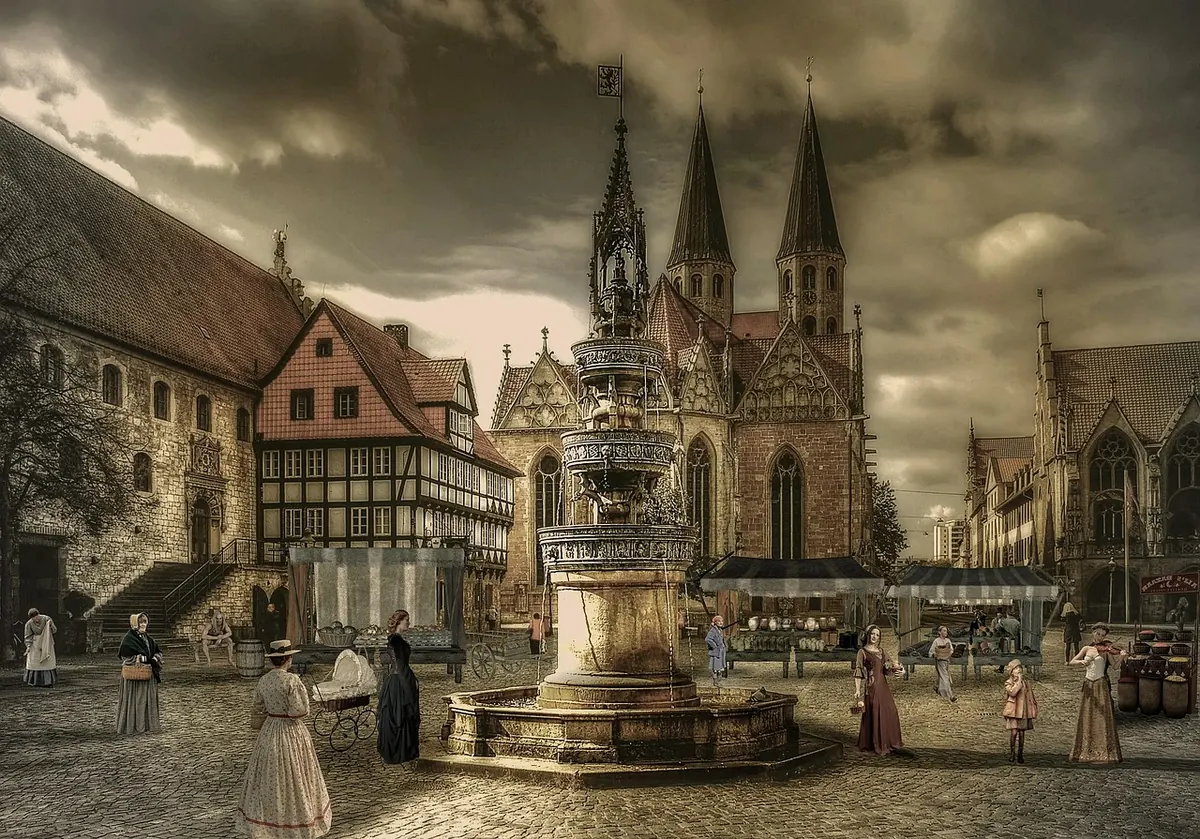
Arriving in a small borgo, the first surprise is not the quiet. It is how quickly the quiet fills up. By half past seven the bar is standing room only, the baker has sold half the morning's bread, and two people have already asked which house you have taken and whether the roof holds. Then, at one o'clock, the whole place folds itself away and the shutters come down. Learning that rhythm is the real work of settling in. The shops, the bars and the unusual hours are not obstacles to daily life here; they are the shape of it.
The Shape of a Village Day
Most small towns run on two engines. The first starts before dawn and runs until lunch: deliveries, coffee, bread, the post office queue, the doctor's appointments, older residents doing their rounds with a trolley and a firm opinion about the weather. If something needs doing — a form signed, a plumber found, a parcel chased — this is the window. By noon the pressure has gone out of the streets.
Then comes the pause. Between roughly one and half past three, sometimes four, the centre belongs to cats and parked cars. Shutters close. This is not a quirk staged for visitors and it is not idleness; it is a working day arranged around heat and meals, and it has survived because people like it that way. Plan your errands around the pause and you will stop being irritated by it inside a week.
The second engine starts in the late afternoon. Shops reopen for three or four hours, the piazza fills again, and in summer people walk a slow loop through the centre for no reason beyond seeing who else is out. Dinner runs late and unhurried. If you come from a place where shops open continuously from nine to eight, this will feel wrong for a fortnight and then, quietly, correct.
The Shop Behind the Door
Village commerce is small and specific. A borgo of a few hundred people may still support half a dozen businesses, each doing one thing properly:
- Alimentari — the small grocery. Pasta, tinned goods, a decent cheese, a bit of everything, plus the owner's view on all of it.
- Panetteria — bread, and often the social centre of the early morning. Arrive before eleven if you want a choice.
- Fruttivendolo — greengrocer, sometimes a van that parks on a fixed day in the smaller hamlets.
- Macelleria — butcher. Ask what is local and what is good this week; you will get a straight answer and a cooking instruction.
- Edicola and tabaccheria — newspapers, stamps, bus tickets, tobacco, and a surprising share of local administration.
- Farmacia — pharmacy, with hours posted outside and a rota for out-of-hours service. For anything medical, ask the pharmacist and your doctor rather than a neighbour's theory.
None of this is only a supply line. The shop is where you stop being an address and start being a person. Introduce yourself once, say which house you are in, and buy little and often rather than doing one enormous monthly raid. Pay in cash when the amount is small — many counters prefer it — and never haggle. If something is missing from the shelf, ask: shopkeepers will often order it in, but only for a face they recognise.
Reading the Door: Opening Hours Without Tears
Hours are written by hand, corrected with a marker, and trusted by nobody. Expect a card on the door with a line struck through it and a new closing time squeezed in the margin:
Chiuso per riposo — riapre alle 16.30
Some things are worth knowing. The weekly closing day is chosen to avoid the neighbours' day off, so it varies from street to street: Monday here, Wednesday there, Thursday somewhere else. Sundays, most shops stay shut; the bar, the tabaccheria and perhaps one alimentari will be open for a few hours. Signs announcing chiuso per ferie can appear for a week in August or around a local feast day, and the first day back is usually spent restocking rather than serving.
So photograph the signs you pass, and ask. A neighbour will know in ten seconds what a search engine will get wrong. And when you arrive at twelve fifty for a shop that shuts at one, know what you want before you reach the counter.
The Bar Is the Village's Living Room
The bar is a café, not a drinking den. Its busiest hour is the morning, when people take coffee standing at the counter in under a minute, exchange three sentences and leave. The person behind the counter is the closest thing the village has to an information desk: who is ill, which road is closed, when the water will come back on, who fixes gutters.
Later it changes character. Aperitivo begins around half six and lasts until the light goes; after dinner, small groups return for a glass, a card game or the match on television. A table of older men playing cards at ten in the morning is not closed to you — it is simply a table that has been claimed for thirty years. Sit nearby, not on it.
Two practical notes. Watch whether people pay before or after drinking; it varies from bar to bar, and copying the room is faster than asking. And do not camp at a table for four with a laptop during the morning rush. Nobody will say anything. They will notice.
Market Day and the Weekly Calendar
Most villages have a weekly market on a fixed day, usually in the main piazza or the nearest larger town, opening early and packed away by one. Ask at the town hall or at the bar which day it falls on and whether a van comes to your hamlet on another. Go in the first hour for the best produce, in the last half hour for the best prices, and take cash and your own bag.
Beyond the market, the local calendar lives on paper: notices taped to the wall by the town hall, the church door, the bar window, the pharmacy. Parish bulletins, posters for a sagra or a patron saint's day, a handwritten sheet about a road closure. Word of mouth beats all of it, which is one more reason to be in the bar in the morning.
The Courtesies That Do the Work
Greet people. Buongiorno until early afternoon, buonasera after that, to everyone you pass, including strangers. Use the polite form with older residents until they invite you not to, and accept the coffee even if you have already had two. When you are invited to lunch, bring pastries, wine or flowers — something for the table, not a gift to be admired.
Learn a handful of phrases and use them badly; the effort counts for more than the grammar. Ask for advice, and take it. What you should not do, at least in your first six months, is explain how things are done back home. Ask instead how the tomatoes are doing. It is the same question, and it opens every door in the village.
Your First Two Weeks: A Short Plan
- Find the bar nearest your house and go three mornings in a row. Order the same thing.
- Introduce yourself at the alimentari and the bakery, and mention which house you are in.
- Photograph every opening-hours sign you walk past, including the pharmacy's.
- Ask at the town hall which day the market comes and where the noticeboards are.
- Locate the nearest cash machine and keep some cash in the house.
- Ask one neighbour what is happening in the village this month.
- Go to one of those things — a sagra, a match, a working bee at the church — even if it is not your sort of evening.
Do that much and the rest follows on its own. Within a month the baker will have your bread ready before you ask, the woman at the till will tell you which of the two cheeses is better this week, and someone will knock to say the water is off tomorrow morning. That is what settling in actually looks like: not being welcomed formally, but being expected.
Photo: Willgard / Pixabay