
Seasonal Local Food Guide: What to Eat in the Borgo Month by Month
Market morning in the borgo begins quietly. A van doors open near the fountain, trestle tables go up, and by eight the square smells of wet parsley and cardboard. What arrives in those crates is not a lifestyle choice; it is simply what the surrounding fields, gardens and cellars are producing that week. Learn to read that rhythm and your visit changes. You stop ordering the same safe dishes and start eating what the borgo is actually good at right now.
This guide maps the year as it is eaten here: which produce turns up when, how locals shop for it, and which traditional plates tend to follow it onto the table. Seasons shift by altitude and by region, so treat the months as a reliable average rather than a train timetable.
How the Borgo Keeps Time
Most households here still keep a small orto, the vegetable plot behind the house or on the edge of the village. That plot is the real calendar. When the neighbours start leaving bags of zucchini on each other's doorsteps, you know exactly which week it is. The same logic runs through the market: a handful of growers selling small quantities, a butcher who works with two or three farms, a cheese stall that disappears for a fortnight in spring when the animals move.
Restaurants follow the same supply. Short menus are a good sign, not a limitation. If a kitchen can change its mind on Thursday because a crate of cardoons appeared, it is cooking with the season rather than against it.
How to Read a Market Stall
- Quantity tells the story. Three crates of tomatoes in August is normal; three crates in February means they travelled.
- Uniformity is suspicious. Small growers bring uneven produce. Perfectly matched specimens usually come from a wholesaler.
- Watch what locals buy. If the queue is all nonne buying one particular crate of greens, buy those greens.
- Ask where it is from. "Di dove sono?" is a fair question and usually gets a genuinely helpful answer.
- Check the clock. Many village markets run mornings only and pack up well before lunch.
Spring: Wild Greens, Artichokes and the First Broad Beans
Spring is the most interesting season to eat here and the easiest to miss if you only look at menus. The best produce is often foraged rather than planted: wild asparagus found along hedgerows, cicoria and borragine picked in the morning and sold in loose bunches by the afternoon. Prices are low, quantities are small, and the season for each is measured in weeks.
Artichokes dominate. You will see them piled in pyramids, sold with long stems, and cooked in ways that seem to use every part: braised with garlic and mint, sliced raw and dressed with lemon and oil, or layered into a torta salata. Broad beans arrive around the same time and are often eaten barely cooked, with pecorino and good oil, at the start of a meal.
Spring on the Plate
Look for frittate made with whatever greens were picked that morning, ravioli filled with herbs and ricotta, and soups built on water, oil and vegetables rather than stock. Fiori di zucca appear briefly and are usually fried in a light batter. If you see a plate of mixed spring vegetables stewed together, order it; it is the season in one bowl.
Summer: Tomatoes, Stone Fruit and the Feast Season
Summer is loud and abundant and slightly exhausting in the best way. Tomatoes arrive properly in July and take over everything. Locals buy them by the crate, not by the kilo, because half will be eaten fresh with basil and salt and the other half will be cooked down for the winter.
This is also the season of village feasts, when the square fills with long tables and the cooking gets deliberately simple: grilled vegetables, fried zucchini flowers, something on the grill, a bowl of peaches in wine. Aubergines, peppers and cucumbers are at their best, and figs arrive late in the season, usually eaten standing up over the sink.
The Preserving Weeks
If you are staying for more than a fortnight, you will notice a rhythm of preserving. Tomatoes passata, aubergines and peppers under oil, jars of fruit, bunches of herbs hung to dry. It is not nostalgia; it is how a household with a small freezer and a large garden makes August last until March. Ask politely and someone will explain their method, usually with strong opinions about salt.
Autumn: Mushrooms, Chestnuts and the Olive Harvest
Autumn is the season locals talk about most. Mushroom hunters disappear at dawn, return secretive and muddy, and the market fills with porcini, finferli and other varieties sold in shallow baskets. Rules about picking are strict in most areas, so buy from the stall rather than guessing at the woods.
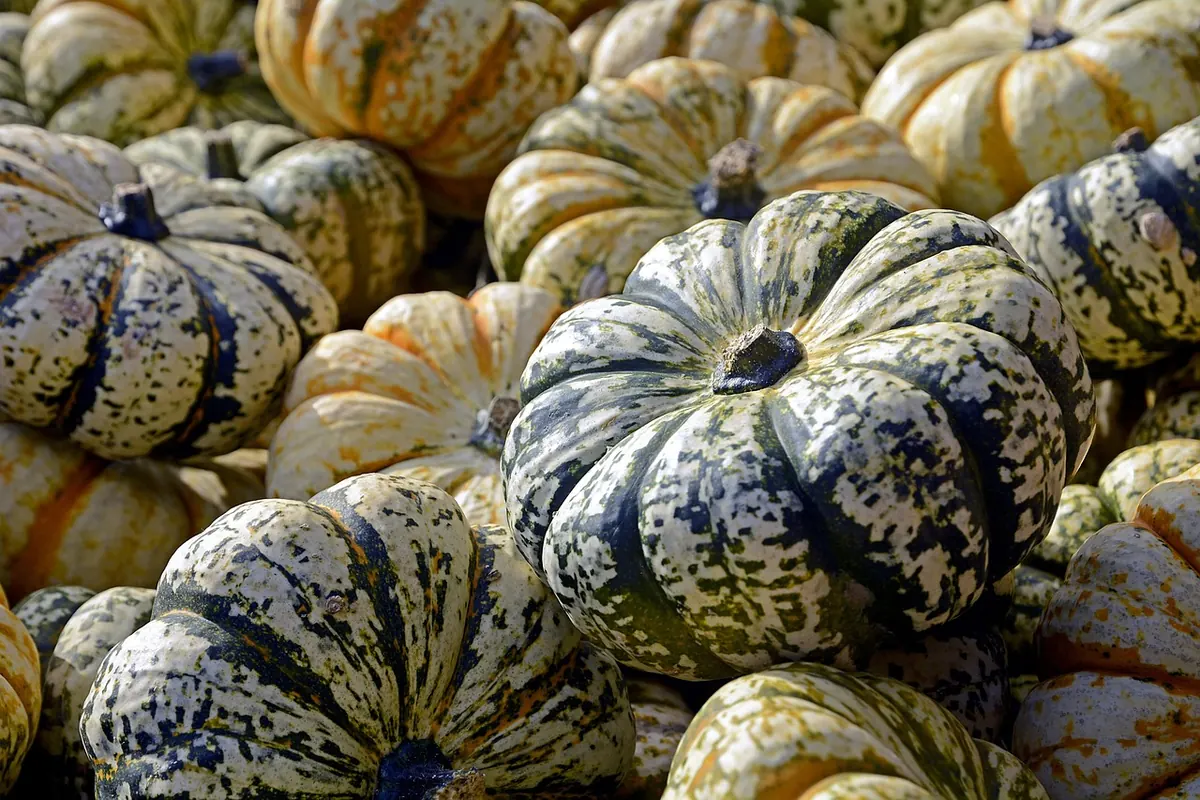
Chestnuts follow, ground into flour for castagnaccio and folded into necci, the flat cakes cooked between leaves. Grapes appear in sweet focaccia and in the wine that gets pressed in garages and courtyards. Pumpkins, squash and small mountain lentils take over from the lighter summer cooking, and the first polenta appears on menus.
The New Oil
Olive harvest runs from late autumn into early winter depending on altitude. The first oil of the year is cloudy, peppery and slightly bitter in a way that makes you cough if you taste it with a spoon, which is exactly how it is offered. Buy a bottle, use it raw on beans and bread, and do not waste it in a hot pan. If you have a nut allergy, mention it when buying cakes and biscuits; chestnut flour and ground nuts are common.
Winter: Cabbage, Legumes and the Cured Meats
Winter cooking here is slow and cheap and deeply satisfying. Cavolo nero, savoy cabbage, radicchio and cardoons fill the stalls, alongside dried beans, chickpeas and lentils sold loose from sacks. This is soup weather: ribollita, minestra di ceci, bean soups thickened with bread, all better on the second day.
It is also the season of the pig. Home curing and sausage making happen in the cold months, and the butcher's counter fills with salumi, porchetta and cuts for braising. Polenta appears alongside stews and sausages, and fried things show up around the winter holidays in forms that vary from village to village.
The Winter Pantry
What you see in winter is the summer, put up in jars: tomatoes under oil, dried mushrooms, preserved fruit, beans from the garden hung to dry. It is a good moment to buy edible souvenirs that travel well, though check customs rules before carrying cured meat or dairy home.
Practical Notes for Visitors
Plan your trip around the market rather than the restaurant list. Village markets often run one or two mornings a week; the tourist office or a notice board near the square will tell you which. Bring cash, a bag, and a little patience, and go early if you want the best of a small stall.
Eat where the menu is short and changes. Ask what is good that day rather than what is traditional; the two are usually the same thing, but the first question gets you a better answer. Try one unfamiliar vegetable per day, and ask the seller how they cook it. And if you fall in love with a particular season, come back in the same week another year; the borgo will have moved on by then, and it will be worth it.
Photo: anncapictures / Pixabay